CPR Training Blog: Guides, Tips and Industry News
May 6, 2026
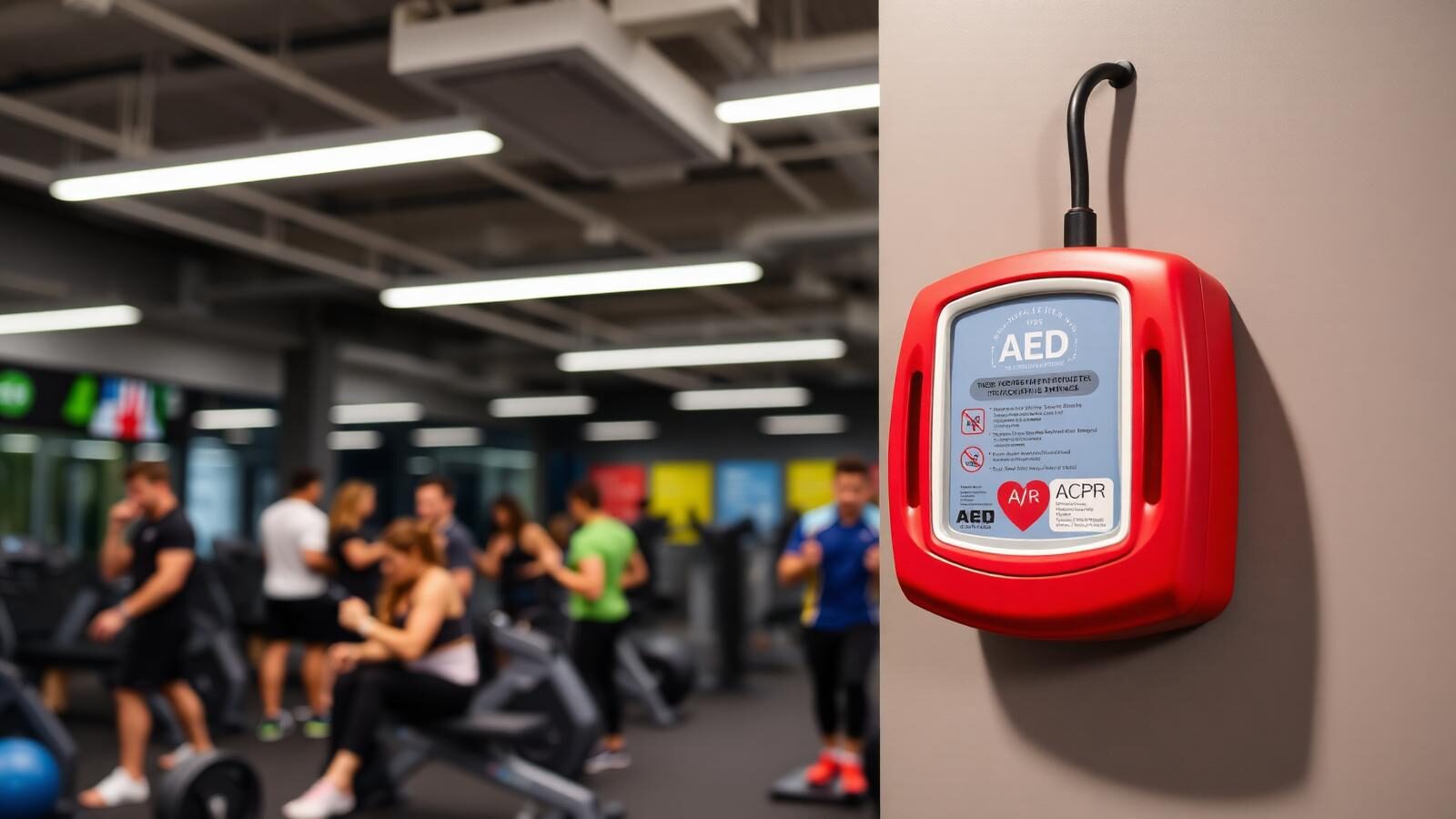
CPR and AED Requirements for Colorado Fitness Centers and Gyms
Colorado fitness centers and gyms face unique cardiac emergency risks. Learn about AED requirements, staff CPR certification, OSHA guidelines, and how to protect your members and your business.
Read More →
May 6, 2026
CPR and Altitude: Does Colorado's Elevation Affect Resuscitation?
Colorado's high altitude creates unique challenges for CPR and cardiac emergencies. Learn how elevation affects resuscitation, rescuer fatigue, and what training you need to be prepared above 5,000 feet.
Read More →
March 23, 2026
Save Lives Through CPR Training: What Every Coloradan Should Know
Approximately 350,000 out-of-hospital cardiac arrests occur in the United States every year. Nearly 90% are fatal. But when a trained bystander perfor
Read More →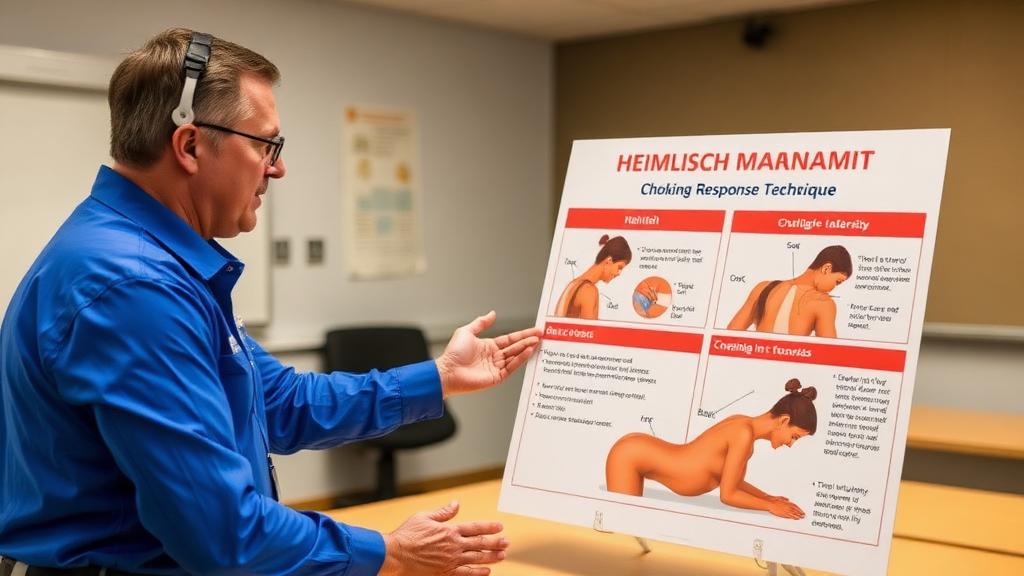
March 22, 2026
CPR for an Unresponsive Choking Victim: What Changed in 2025
The 2025 AHA guidelines introduced the most significant changes to choking management in decades. For the first time, the AHA formally recommends back
Read More →
March 21, 2026
Hands-Only CPR: Does It Really Work? What the Data Shows
Hands-only CPR works. For adult sudden cardiac arrest witnessed by a bystander, compression-only CPR has been shown to be as effective as conventional
Read More →
March 20, 2026
How Long Does It Take to Perform CPR on Average?
You should perform CPR until one of three things happens: emergency medical services arrive and take over, an automated external defibrillator becomes
Read More →
March 19, 2026
Why CPR Is Considered a Life-Saving Technique
When the heart stops pumping blood, the brain begins to suffer irreversible damage within 4 to 6 minutes. Emergency medical services, even in well-r
Read More →
March 18, 2026
Is Mouth-to-Mouth Still Part of CPR in 2025?
The short answer: yes, rescue breaths are still part of CPR according to the 2025 AHA guidelines. But the longer answer depends on your training level
Read More →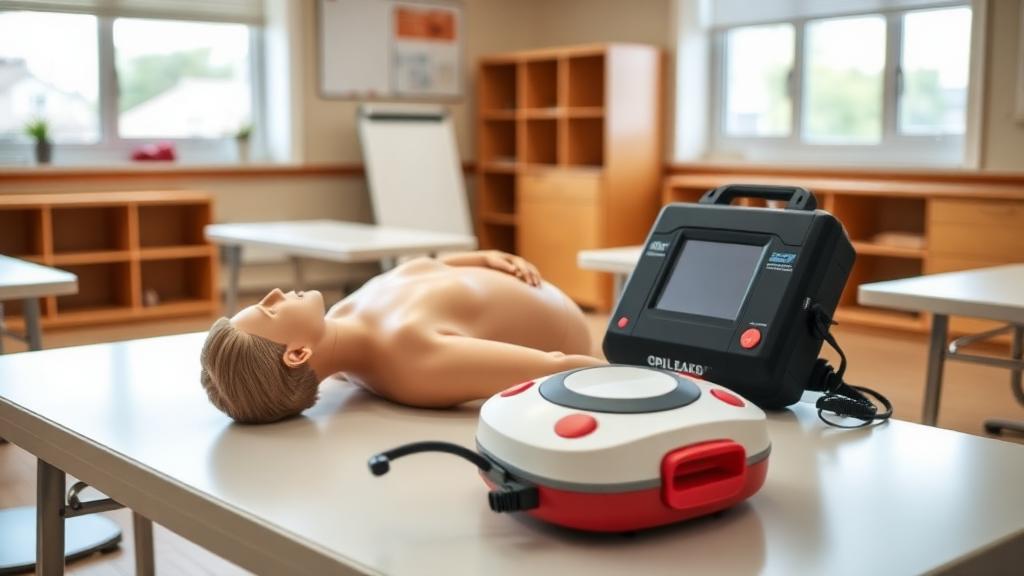
March 17, 2026
How Many Chest Compressions Should You Give During CPR?
The short answer is 30 compressions followed by 2 rescue breaths when you are the only rescuer, delivered at a rate of 100 to 120 compressions per
Read More →
March 16, 2026
2025 AHA CPR Guidelines: Every Change You Need to Know
The American Heart Association released its most comprehensive guidelines overhaul in five years on October 22, 2025. Published in Circulation (Volume
Read More →